


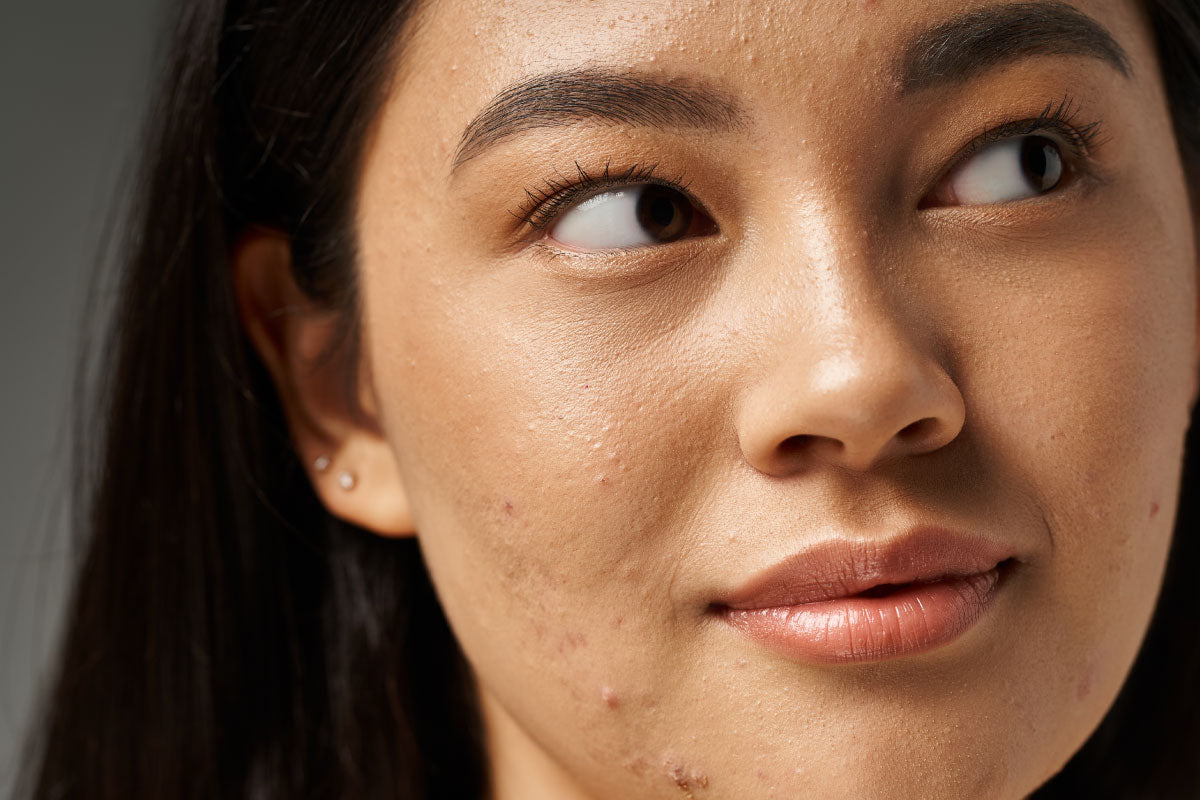
Hormonal acne can feel like a stubborn mystery. It tends to appear when you least expect it and often doesn’t respond to your usual go-to skincare products. But there’s a reason behind these breakouts. Your skin mirrors what’s happening inside your body, and hormonal changes play a huge role in that. Whether you’re a teenager, a new mum, or someone managing work stress and irregular sleep, understanding the cause of hormonal acne can help you treat it more effectively and gently.
Teenage Hormones: When Oil Production Spikes
During adolescence, androgens (male hormones present in all genders) surge and signal the skin’s oil glands to produce more sebum. This excess oil can combine with dead skin cells and bacteria, leading to clogged pores and inflamed breakouts.
What helps: Look for gentle formulas that purify without stripping the skin. Ingredients such as sulfur and witch hazel help target blemish-causing bacteria and regulate oil, while kaolin and bentonite draw out impurities to keep pores clear.
What makes it worse: Harsh scrubs, over-cleansing, and skipping moisturiser. Drying out the skin only signals it to produce even more oil.
Postpartum Skin: The Hormone Drop
After pregnancy, estrogen and progesterone levels drop, while prolactin (the milk-producing hormone) stays high. These hormonal shifts can cause breakouts along the jawline and chin, often paired with dryness and sensitivity from disrupted sleep and stress.
What helps: Choose calming, non-irritating treatments that help soothe inflammation without over-drying. Calamine and panthenol are especially effective for reducing redness and supporting the skin’s recovery. Maintaining a simple, hydrating routine also helps strengthen your barrier and prevent flare-ups.
What makes it worse: Layering too many active ingredients at once or using harsh acids and retinoids too soon after birth, which can further stress your skin.
Adult Hormonal Acne: The Stress Connection
For adults, hormonal acne tends to appear on the lower cheeks, jawline, and neck, especially around menstruation or periods of high stress. Stress raises cortisol levels, which disrupts estrogen and progesterone balance, leading to inflammation and slower skin healing.
What helps: Incorporate ingredients that support the skin’s natural renewal and protect it from oxidative stress. Antioxidants like vitamins C and E, CoQ10, and alpha-lipoic acid help defend against free radical damage while fading post-acne marks. Panthenol and centella compounds can also help calm and repair.
What makes it worse: Constantly switching between acne treatments, not getting enough rest, or ignoring the internal triggers like stress, diet, and gut health.
Hormonal Acne: Finding Balance for Clearer Skin
Pregnancy-Safe Skincare: What Are Endocrine Disruptors